
28 July 2021
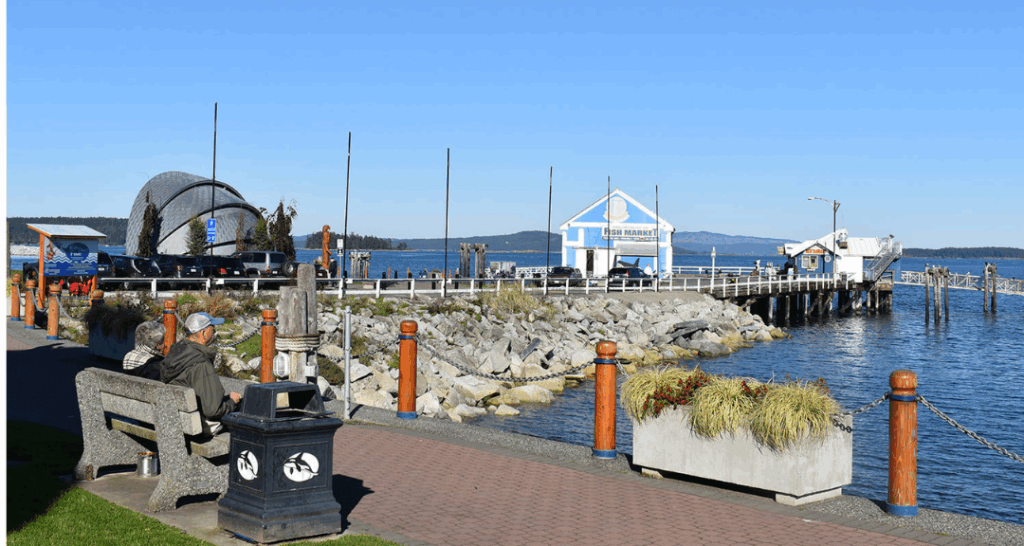
Sydney: consultation on plans for the waterfront
The public consultation for Beacon Wharf, one of the city’s iconic quays, is due to begin in September. The options being looked at include...
Lire plus
It is imperative to reform the City-Port governance structures to make them more inclusive, more open to civil society, and better aligned with citizens’ aspirations. The inclusion of a diverse range of stakeholders in port governance helps strike the right balance between economic performance and the well-being of residents.
Ongoing consultation among stakeholders is the key to ensuring the social responsibility of ports and community acceptance. It is also the way to ensure that the uses of the waterfront and the city-port interface are determined through consultation, and that all stakeholders involved in port activities have the opportunity to express their opinions.
To promote dialogue between the city and the port within a renewed governance framework—aimed at balancing the pursuit of economic and environmental performance with the well-being and aspirations of residents—the AIVP has identified five priorities for action:
The legitimacy and sustainability of a port project depend largely on how decisions were made and who was able to participate in the decision-making process. Neighborhood associations, worker representatives, environmental organizations, cultural stakeholders, and representatives of the most vulnerable communities: all these stakeholders provide perspectives that are essential for an informed and balanced decision. AIVP calls for concrete mechanisms for broader representation: open advisory committees, citizen juries, digital participation platforms, and joint city-port-civil society commissions.
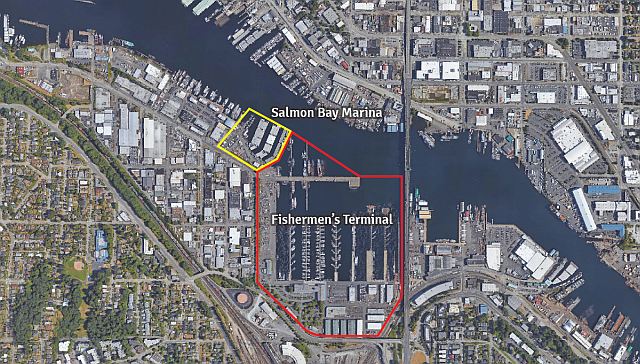
Example — Duwamish River People’s Park (Seattle, United States)
The Port of Seattle established a local office directly in the South Park neighborhood—the area most directly impacted by industrial pollution—to gather residents’ feedback. This office has since become a permanent community hub managed by the port’s environmental management team, exemplifying governance rooted in the long term.
Consultation is not a one-time event that takes place before a project begins and ends at its inauguration: it is an ongoing process that must accompany all phases of the project, from its design to its operation, including any adjustments made necessary by feedback. Permanent structures for dialogue—codes of conduct, monitoring committees, and expanded neighborhood councils—help maintain trust over the long term and resolve conflicts of use that inevitably arise over time.
Example — Redevelopment of Javel Bas Port – Special Mention (Paris, France)
Two public consultation phases (a regulatory one in 2014, a voluntary one in 2021) were followed by the creation of a Charter of Use and a Charter Council that meets at least once a quarter after the completion of the work—a model for post-project consultation that ensures the continuity of dialogue between HAROPA PORT, the City of Paris, businesses, and local residents.
Transparency is the foundation of trust between the port and its local residents. It requires that environmental data—air quality, noise levels, water quality, and traffic—be measured regularly, published in a clear and accessible manner, and not filtered by special interests. Port open data systems, though still rare, also allow researchers, journalists, and citizens to conduct their own analyses and contribute to the public debate on the development of port areas.
Example — Bekkelagsbadet (Oslo, Norway)
The quality of the park’s bathing water is regularly monitored by the Oslo Urban Environment Agency, and the results are published on the city’s official website, just like those for all other beaches in Oslo — a symbolic gesture of transparency that means the port waterfront is subject to the same standards as any other public space in the city.
The best planning decisions are those that combine the rigor of scientific knowledge with the wealth of practical knowledge possessed by residents. Universities, research centers, and environmental observatories are valuable partners for city-port projects. But local knowledge—residents’ understanding of their area, its uses, its shortcomings, and its potential—is an equally valuable resource. AIVP encourages approaches that systematically bring these two forms of knowledge together.
Example — Port-City Integration Vigo (Vigo, Spain)
The Blue Growth Plan brings together more than 300 stakeholders—university researchers, public institutions, private companies, and representatives of civil society—to collaboratively develop a port-city development strategy centered on innovation, sustainability, and social cohesion.
The city-port interface is one of the most sought-after areas in contemporary urban planning. The real estate pressure on former port sites that have been reclaimed is considerable, and there is a high risk that these spaces will be taken over by luxury residential or office developments that exclude affordable housing and erase the maritime identity of these places. The AIVP advocates for proactive land-use policies that preserve a mix of uses: active port operations, affordable housing, public facilities, and cultural and recreational spaces. The diversity of these projects is essential for a vibrant and sustainable city-port interface.
Example — Redevelopment of a Multihull Site (Port-Saint-Louis-du-Rhône, France)
The conversion of a derelict port area into a nautical hub was designed to combine a new recreational boating ecosystem, community benefits (an intergenerational park, new facilities for fishermen), and a strengthening of the local maritime identity, all while ensuring coexistence with the logistics operations of the Grand Port Maritime de Marseille-Fos.
28 July 2021
11 May 2021
7 April 2021
Join AIVP and take part in a collaborative effort to promote more sustainable, responsible, and innovative urban, port, and economic development that puts citizens at the heart of its work.
Access exclusive resources, services and content reserved for AIVP members.