
8 September 2021
Investing in biodiversity for port-city territory
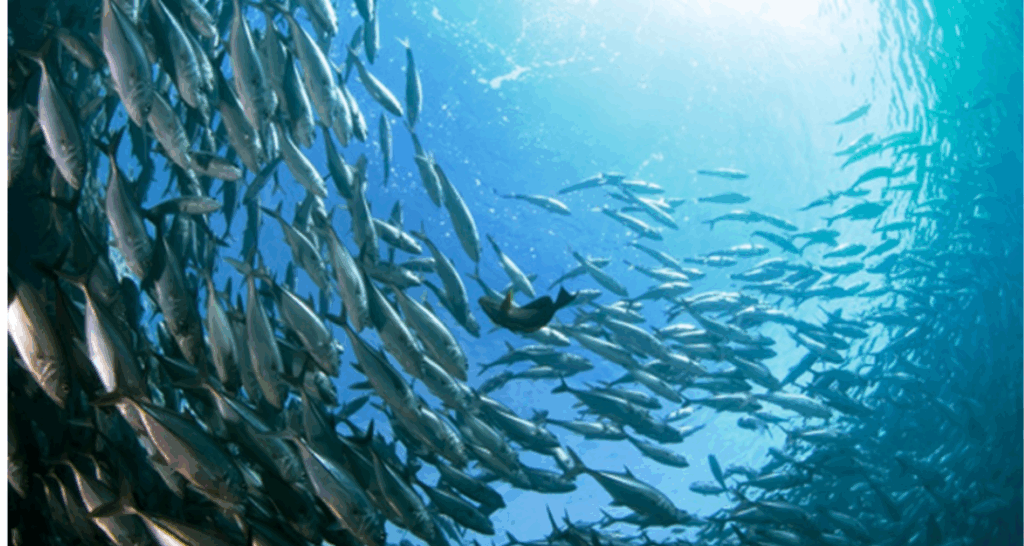
The IUCN World Conservation Congress has just opened in Marseilles. One of the priorities of this world congress is the preservation of marine mammals....
Lire plus
All reports by the Intergovernmental Panel on Climate Change (IPCC) highlight the devastating impact of human activity on biodiversity and projections of biodiversity loss over time. However, biodiversity loss cannot be attributed solely to climate change. Land-use changes (e.g., deforestation, intensive monoculture, urbanization), unsustainable exploitation (e.g., overexploitation of resources, overfishing), and the introduction of invasive species are additional risk factors.
On all these issues, port cities and regions—which serve as the interface between marine and terrestrial ecosystems—can take action to counter the “sixth mass extinction.” The balance of these ecosystems, in which species depend on one another for their survival, is fragile. The disappearance of a single species can lead to the destruction of an entire ecosystem and directly threaten human activities. For the AIVP, protecting biodiversity is not a secondary objective. On the contrary, it is at the heart of our concerns for this millennium.
To restore and protect terrestrial and aquatic biodiversity in cities and port regions, the AIVP has identified five priorities for action:
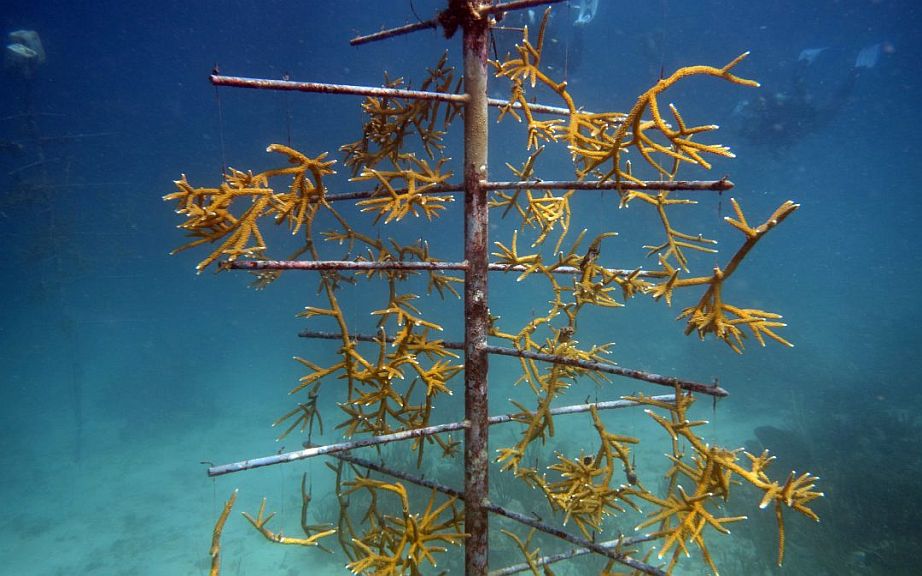
Water quality is the primary prerequisite for aquatic life in port areas. Hydrocarbons, heavy metals, wastewater, and sediments contaminated by decades of industrial activity: harbor basins often suffer from multiple sources of pollution that have virtually wiped out all marine life. Ambitious cleanup efforts, combined with the implementation of systems to treat stormwater and bilge water, can transform these biological wastelands into habitats where marine life has been restored. The installation of artificial reefs and shellfish collection systems are effective complementary techniques.
Example — Duwamish River People’s Park (Seattle, United States)
Removal of 60,000 metric tons of contaminated soil and sediment and addition of 20,000 metric tons of clean material. In the very first year of monitoring, more than 2,500 juvenile salmon were recorded at the restored site—tangible proof that nature can quickly reclaim its rightful place when the right conditions are created.
The principle that “we can only effectively protect what we know well” applies particularly to biodiversity in port areas, which is often poorly understood and under-documented. Regular inventories of the species present—fish, birds, invertebrates, and plants—make it possible to detect changes in the ecosystem, identify invasive species as soon as they appear, and assess the effectiveness of the protective measures put in place. Publishing this data in formats accessible to the general public enhances transparency and engages citizens in the biodiversity of their port.
Example — Duwamish River People’s Park (Seattle, United States)
A 10-year monitoring program tracks the recovery of fish and wildlife populations, the stability of the site, and overall ecological health. The data is shared publicly and supports recovery goals for chinook salmon and resident orcas—two iconic species of the Pacific Northwest.
The expansion of port areas has historically led to the massive destruction of sensitive natural habitats: the filling in of wetlands, the sealing of intertidal zones, and the artificial modification of natural riverbanks. The AIVP calls for the systematic application of an “avoid, reduce, compensate” (ARC) approach in all port development projects, with absolute priority given to avoidance. Ship-induced wave action—the waves created by passing ships—is also a cause of damage to natural riverbanks that navigation regulations must take into account.
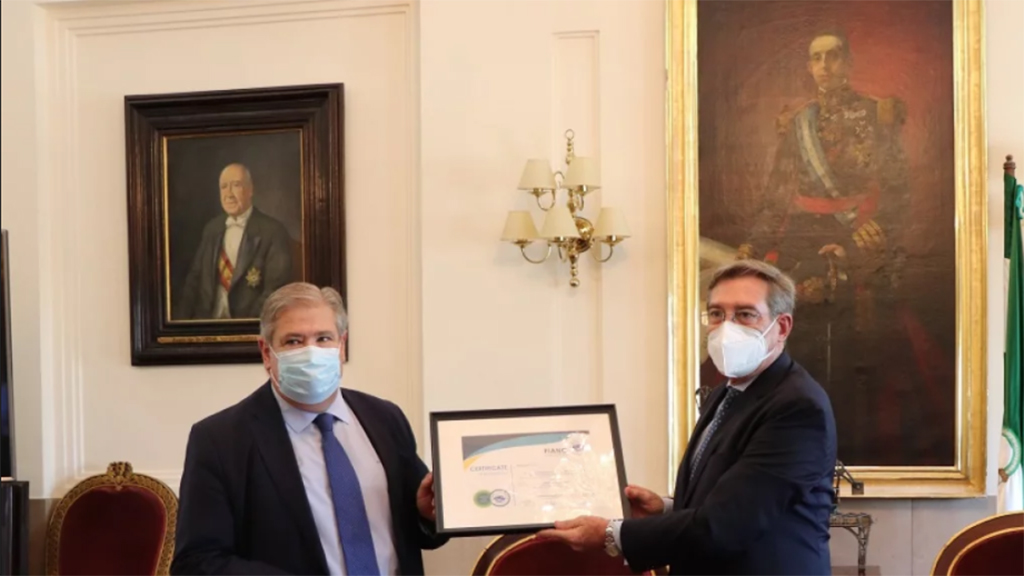
Example — Bioenhancing Ecological Concrete Breakwater (Málaga, Spain)
The world’s first vertical breakwater using bio-enhancing ECOncrete technology: the concrete’s textured surfaces encourage the colonization of algae, mussels, sea urchins, and sponges, gradually creating a rich and diverse artificial habitat in the new megayacht harbor. An innovation that transforms port infrastructure into a marine ecosystem.
Nature conservation organizations, birdwatching groups, diving clubs, fishermen, and concerned local residents: civil society is a valuable resource for monitoring and protecting port biodiversity. These volunteers monitor natural habitats with a regularity and attention to detail that official agencies cannot always match. Supporting them—financially, logistically, and by granting them access to port areas—is a low-cost and highly effective investment in biodiversity conservation.
Example — Green Alat (Baku, Azerbaijan)
In partnership with the WWF, the Port of Baku is committed to protecting more than 40 bird species on Gill Island by promoting nesting and creating ecological habitats. The program also includes the modernization of the wastewater treatment plant and a conservation program for the Caspian sturgeon, a critically endangered flagship species.
Beyond protecting existing species and habitats, ports have the capacity to initiate and fund active biodiversity development programs within their territories. Creating artificial reefs, replanting seagrass beds, reintroducing extinct species, planting hedgerows on port land, and creating pollinator gardens on warehouse rooftops: the opportunities are numerous and often inexpensive. Ecological compensation mechanisms and biodiversity banks offer innovative financial frameworks to ensure the long-term sustainability of these commitments.
Example — Duwamish River People’s Park (Seattle, United States)
The habitat credit bank created by the Port of Seattle allows third parties subject to ecological compensation obligations to invest in the site’s restoration. This self-financing model transforms ecological restoration into an economically viable activity and demonstrates an innovative way to ensure the long-term sustainability of biodiversity commitments in port areas.
8 September 2021
28 July 2021
3 March 2021
Join AIVP and take part in a collaborative effort to promote more sustainable, responsible, and innovative urban, port, and economic development that places citizens at the heart of its work.
Access exclusive resources, services and content reserved for AIVP members.