Local port identity as a key asset for building a lasting relationship

It is up to the stakeholders in the 21st-century city-port relationship to strike a balance among numerous environmental, economic, and cultural values. This is no easy task, as many interests are at stake. That is why the AIVP has chosen to include port culture and identity among the 10 objectives of its Agenda 2030, thereby emphasizing their importance for the relationship between the port and its residents.

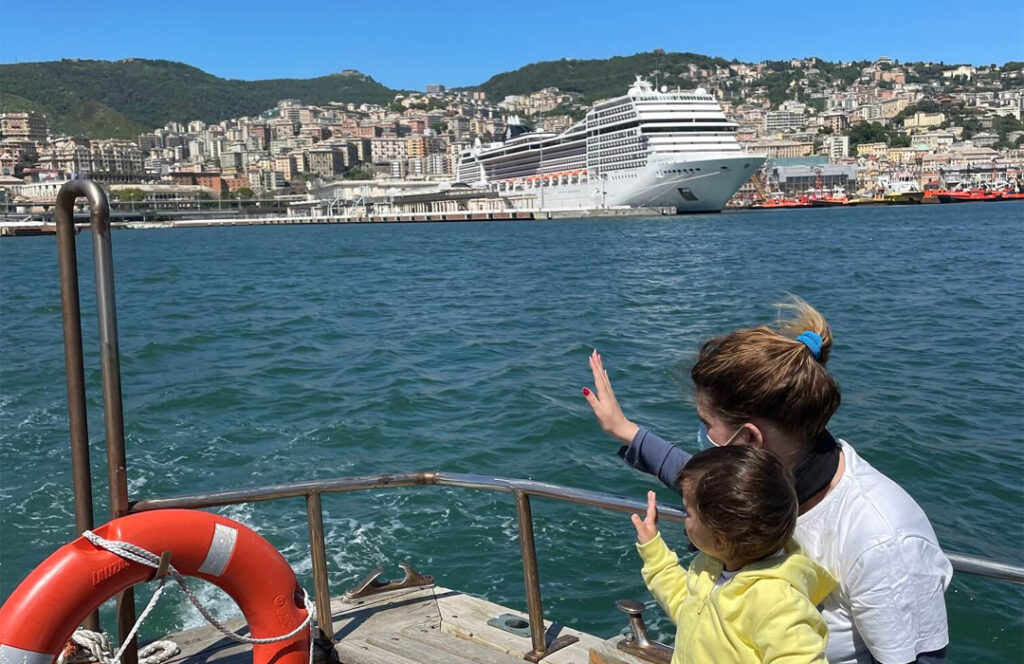
Residents of port cities need to develop a sense of belonging and pride in their port. Organizing events, establishing archives, using social media, and creating museums or Port Centers are all valuable tools for improving the social integration of ports.

04 - Éducation de qualité
08 - Travail décent et croissance économique
11 - Villes et communautés durables
12 - Consommation et production responsables

The goals of this commitment

To promote the unique culture and identity of port cities and restore residents’ pride in belonging to a “City-Port” community of shared interests, the AIVP has identified five priorities for action:

The development of promenades and walking trails at the city-port interfaces that are open to everyone, promoting an understanding of port and logistics activities.

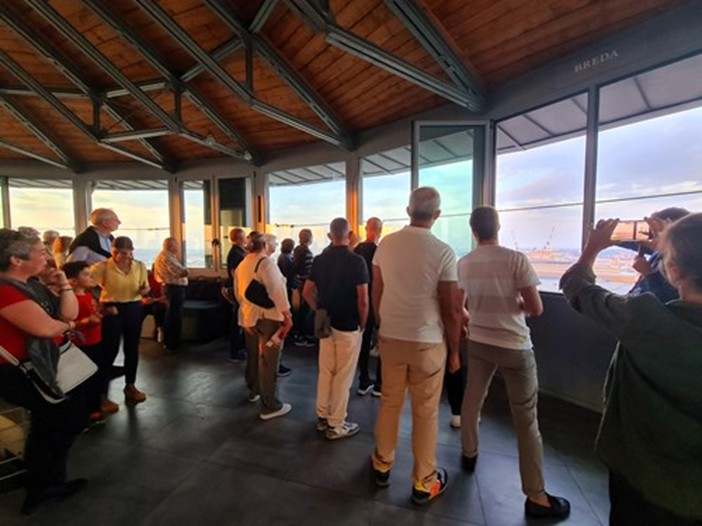
Opening the waterfront to the public is essential to reconnecting residents with their port. Walkways accessible to all, interpretive trails that explain port activities, observation decks offering views of cargo operations, and educational signage along the docks: these simple improvements radically transform residents’ perception of their port, transforming it from a restricted area into a space for discovery and pride.

Example — Tangier City Port ⭐ 2024 WINNER (Tangier, Morocco)
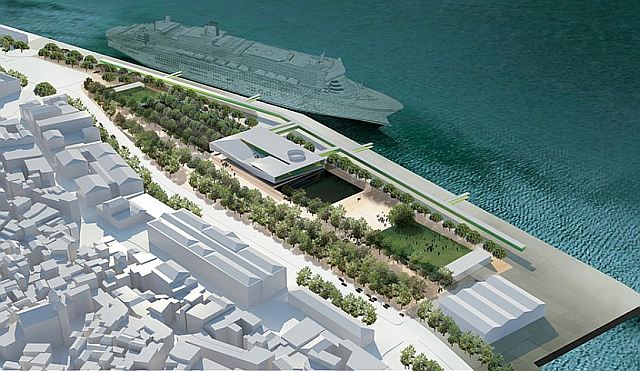
The comprehensive restoration of public spaces at the city-port interface—including the medina’s ramparts and their adjacent squares—has given the people of Tangier back a waterfront from which they had gradually been excluded, while highlighting the relationship between the city and its millennia-old port activities.

The incorporation, within port facilities, of spaces and functions open to residents and visitors, allowing them to view the port and its activities.

Port terminals and warehouses are often opaque boxes that reinforce the divide between the city and its port. Incorporating public-access features into these facilities—such as restaurants, cultural spaces, panoramic terraces, and windows offering a view of port operations—transforms these infrastructures into shared public spaces. This shared visibility of port activities and public spaces is a powerful driver of residents’ embrace of maritime identity.

Example — Bekkelagsbadet (Oslo, Norway)
Freight operations remain visible from the new public park, making port activity an integral and valued part of the landscape. Street furniture made from recycled port materials and the Port of Oslo’s signature orange color create visual continuity between the port and its public space.

Support for the establishment of Port Centers, which serve as bridges between the port and the city.

Port Centers are unique venues that bridge the gap between the port community and the general public. Neither traditional museums nor mere information centers, they are vibrant spaces that offer exhibitions, guided tours of the port, educational programs for schoolchildren, and opportunities for professionals and residents to connect. The international network of Port Centers, supported by AIVP, is a valuable resource for port cities seeking to strengthen the bond between their port and their community.

Example — Tangier City Port ⭐ 2024 WINNER (Tangier, Morocco)
The former customs building has been transformed into a Port Center located near the ferry and cruise terminals. Both Tangier residents and visiting tourists can explore the city’s maritime history, learn how a major Mediterranean port operates, and understand the port’s role in the identity of this cosmopolitan city on the Strait of Gibraltar.

Informing residents—especially young people and students—about life in the port and the city, on a daily basis and through all available channels.

Passing on the port’s identity to new generations is a long-term cultural and social investment. Children who grow up without understanding how the port—which shapes their city’s economy—operates develop a sense of indifference, or even hostility, toward port activities. Conversely, those who have had the opportunity to visit a terminal, meet a ship’s captain, or witness the arrival of a container ship develop a sense of pride in their community that leads to greater social acceptance of port activities.

Example — The Planetarium of Burgas (Burgas, Bulgaria)
Located within the public access area of the eastern terminal at the Port of Burgas, the Planetarium combines striking contemporary architecture with scientific and educational programming. It attracts children, families, and school groups to the port site, creating a natural link between scientific curiosity and the discovery of the maritime world.

Organizing temporary or ongoing cultural events at the port.

Cultural events held at port sites are exceptional catalysts for social cohesion and a sense of identity. A concert on a pier, a maritime film festival in a renovated warehouse, a sailing competition in a harbor basin: these events attract residents who would never spontaneously set foot in a port area, create shared memories, and contribute to the port’s positive image within the city.

Example — Street Sports & Culture “Ghetto Games” (Riga, Latvia)
Since 2009, the Riga Freeport has supported this street sports and urban culture movement in the city’s disadvantaged neighborhoods. With 10,000 participants and 200 volunteers each year, the Ghetto Games have become the largest street sports and culture movement in Eastern Europe, while reducing violence and inequality in the port city’s most vulnerable neighborhoods.

News related to port culture and identity

Do you share this same goal of improving the relationship between the city and the port?

Join AIVP and take part in a collaborative effort to promote more sustainable, responsible, and innovative urban, port, and economic development that puts citizens at the heart of its work.

Contact us