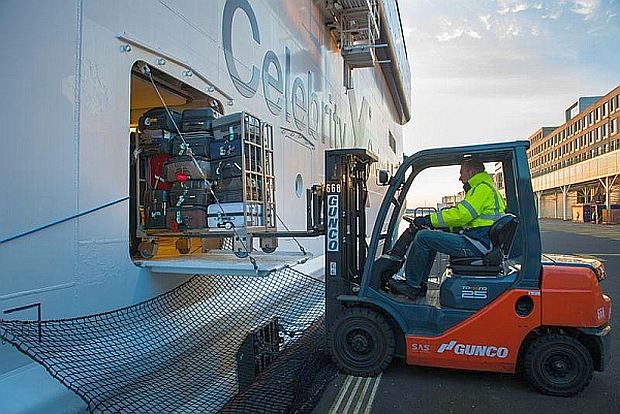
The international draw of many port cities can be measured in terms of the increase in cruise business and sea-based tourist activities. These activities’ economic and cultural impact is significant, generating added value for cities and ports. Besides boating, there is an opportunity to structure an entire sector around sailing, creating direct jobs in the port area with positive repercussions for small businesses operating in the sailing industry and those in the hotel, catering and retail trades, both locally and regionally. Port Vell in Barcelona is home to a Nautic Cluster in a public-private model, turning leisure sailing and yachting into a financial and tourism asset for the city and the port.
This good practice also includes objective 9.5 (Regulating cruise ship stop overs based on the port city’s capacity, without compromising the equilibrium and appeal of the local area) of the AIVP’s 2030 Agenda.