
Energy Transition and the Circular Economy
Innovative and sustainable solutions for energy and industry in city-port regions
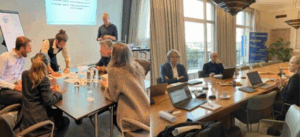
To promote the dissemination of knowledge and foster dialogue beyond the consortium, AIVP coordinates the Connection & Reflection Group. This group brings together AIVP members who are not part of the Connected River project, who are invited to participate in workshops, field visits, and discussions with the partners. The goal is to enable them to discover, understand, and adopt the methods and best practices developed as part of the Connected River project, so that they can adapt and apply them to their own local contexts.
1. Stakeholder Engagement
The goal is to identify, engage, and sustain the long-term involvement of key stakeholders, including those traditionally excluded from waterway governance processes. Connected River promotes a broader approach to governance that takes into account the needs of residents, community organizations, economic stakeholders, recreational users, and environmental advocates. This effort aims to ensure a balanced coexistence of different uses.
2. Local Experiments
Each pilot site is testing innovative solutions on a small scale, tailored to its specific challenges. The project encourages agile and creative approaches, such as design thinking, which place user needs at the heart of projects. These experiments enable the co-creation of concrete solutions to challenges related to waterway management.
3. Scaling and Sustaining Solutions
Solutions developed locally are intended to be sustained, adapted, and transferred to other regional contexts. This focus area aims to strengthen the project’s impact beyond the pilot sites by providing replicable models, recommendations, and tools to accelerate their dissemination across Europe.
4. Development of a Methodological Platform
To build on the project’s achievements, a collaborative digital platform has been established. It brings together the methodologies, tools, case studies, and best practices developed throughout the project. This hub serves as a resource for local governments, urban planners, ports, and regional development stakeholders seeking inspiration from the Connected River initiative.
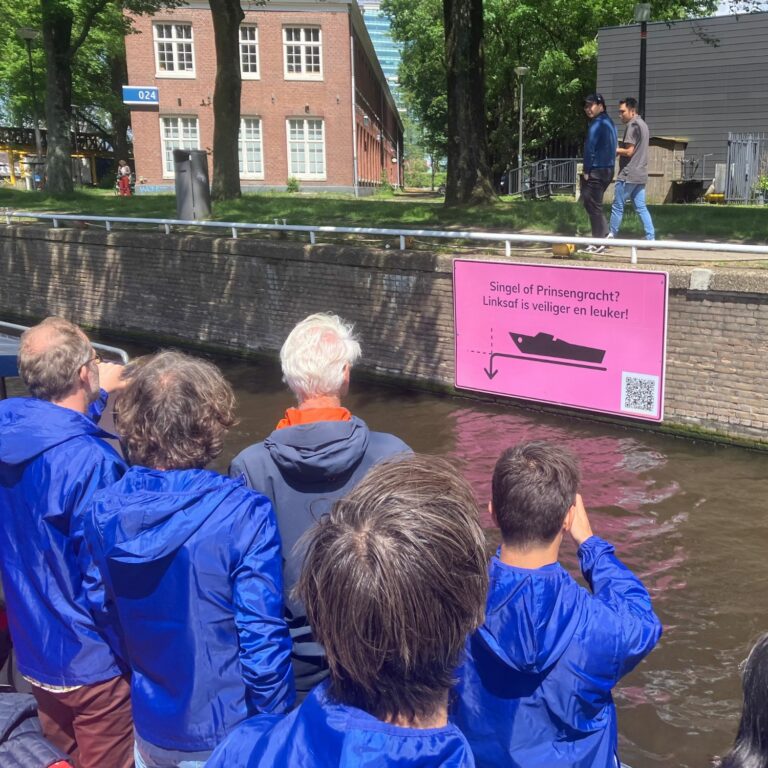
Take action to ensure that Amsterdam’s waterways are a safe, sustainable, and economically viable shared space.
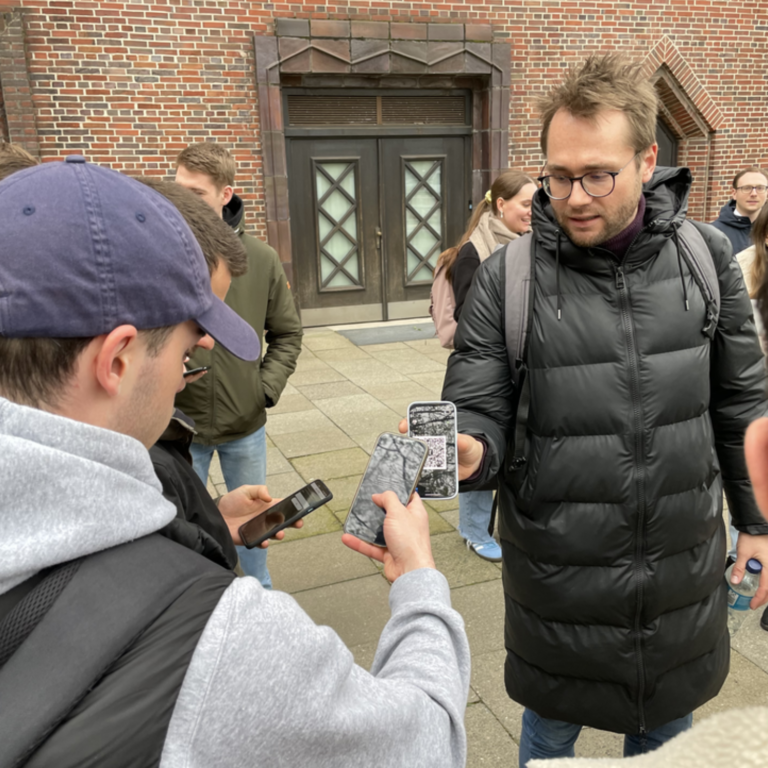
Support innovation and address the shortage of skilled workers at the port through games and networking.
Bring stakeholders together to find solutions that improve safety, the acceptability of port operations, and the city’s appeal in anticipation of the opening of the Seine-North Europe Canal.
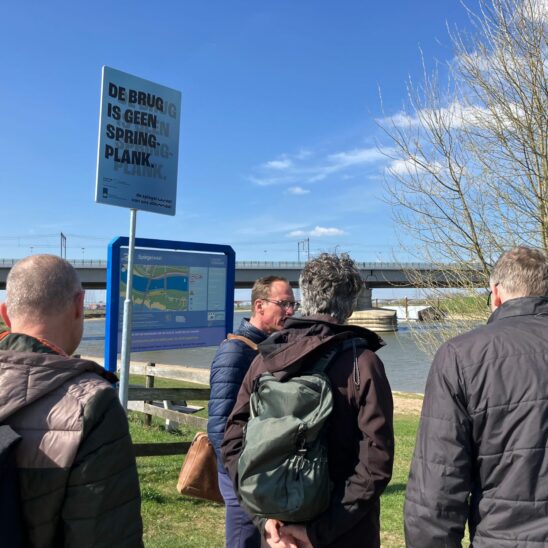
Facilitate the sharing of the various recreational uses of the Spiegelwaal waterway
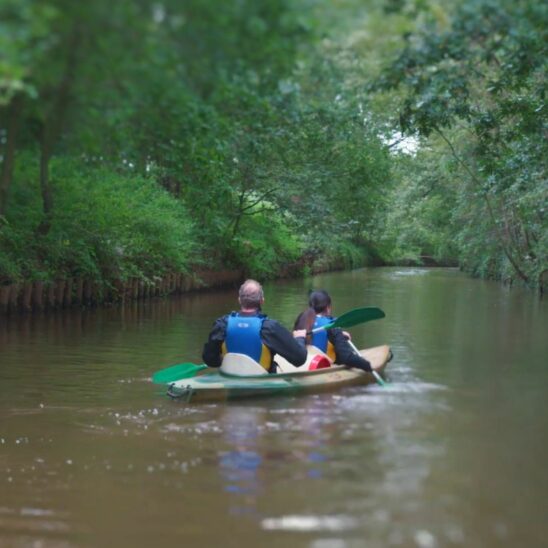
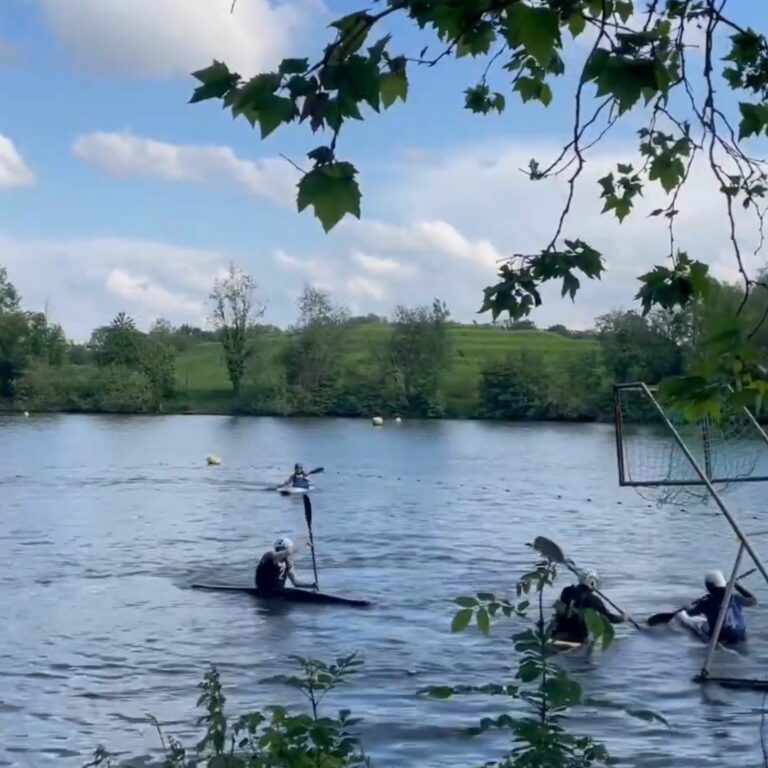
To keep the river clean and safe for wildlife while allowing for canoeing and kayaking.
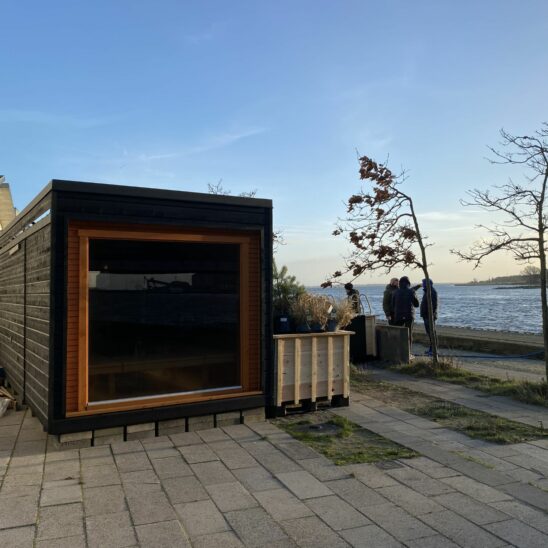
Attracting new businesses and residents to former industrial areas along the waterfront of two islands in the city of Vordingborg