Network NewsPublished on 23 November 2026

Connected River Final Event

Four Years of European collaboration for Innovative and Sustainable Waterways – how can waterways and waterfront areas become safer, smarter, more sustainable and more accessible to different user groups? For the last four years, the European project “Connected River” has been exploring this question.

At the final event, held on 17 and 18 November in Hamburg, the project results and their potential for transfer to other European cities, ports and river communities took centre stage.

The project brought together 13 partners from six countries to develop and test user-centred and short-cycled innovation methods and digital solutions for shared waterways. Experiences from the six pilot regions – Amsterdam, Kleine Nete, Hamburg, Lille, Nijmegen and Vordingborg – demonstrate how safety, navigation and user participation can be improved, how nature conservation and recreational interests can be brought together, and how innovative services and cooperation between public authorities, businesses and local communities can be strengthened. These experiences provide a valuable foundation for knowledge exchange between European cities and ports.

Be like water. This is the spirit of Connected River: staying flexible, adapting to change and finding new ways forward together.

Key Insights, solutions and lessons learned

Presentations from the project's pilot areas showcased key challenges, experiments, developed solutions, and their impacts.

Two panel sessions addressed central themes of the project:

  • The practical application of user-centred and agile innovation in municipalities and public authorities.
  • The legacy of Connected River and its relationship to the emerging European policy agenda, where Bruno Delsalle, General Manager of AIVP, promised efforts to continue sharing the work and further inspire the members of its extended network.


The programme also offered various opportunities for participants to engage more deeply with the project's methods and context:

  • A Flow Forward Masterclass
  • A Social sauna live experiment where participants dove into the perspective of the pilot area Vordingborg, where a social sauna was put up as part of a revitalisation scheme for their city’s waterfront.
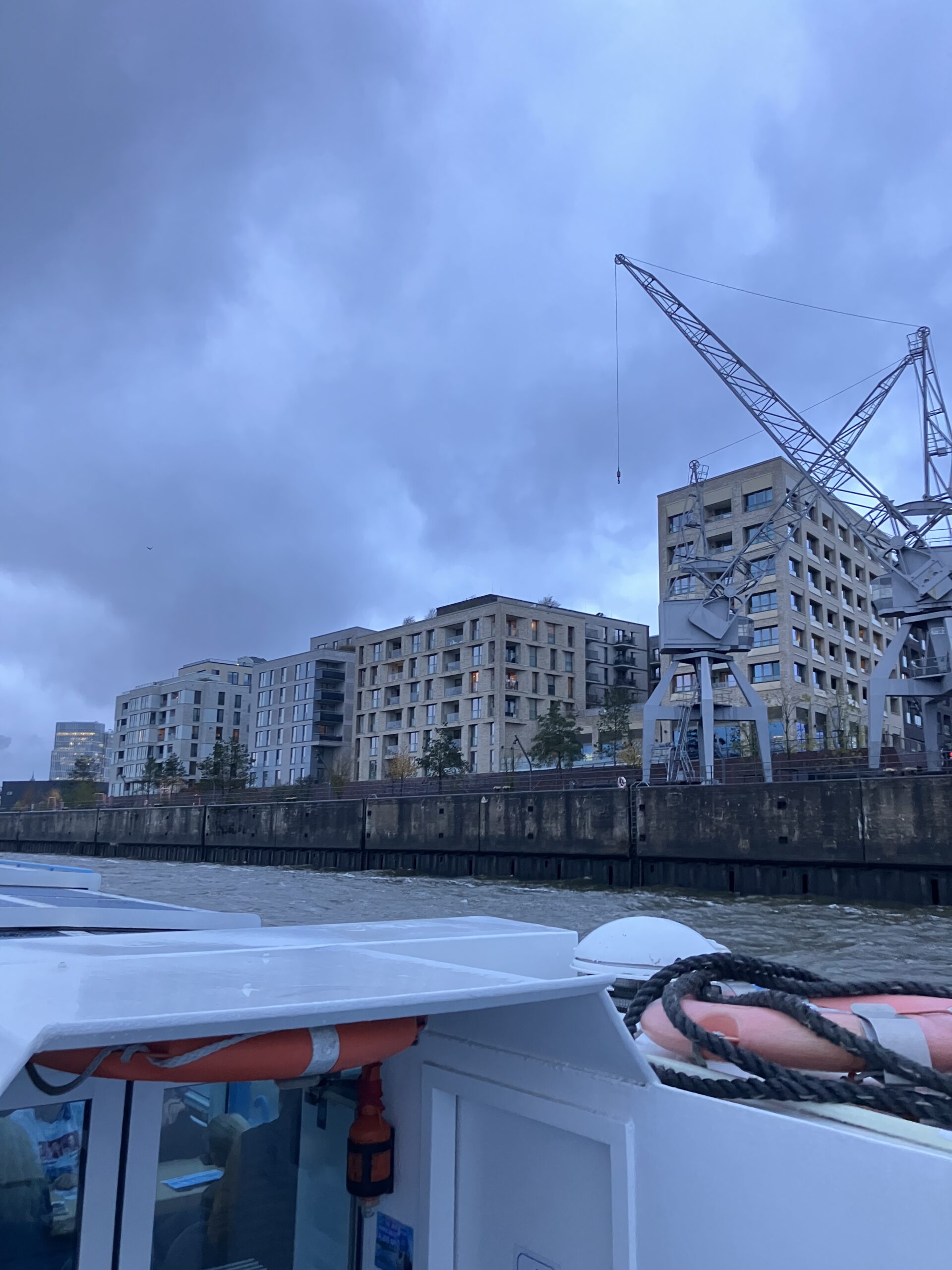
  • A guided tour of HafenCity
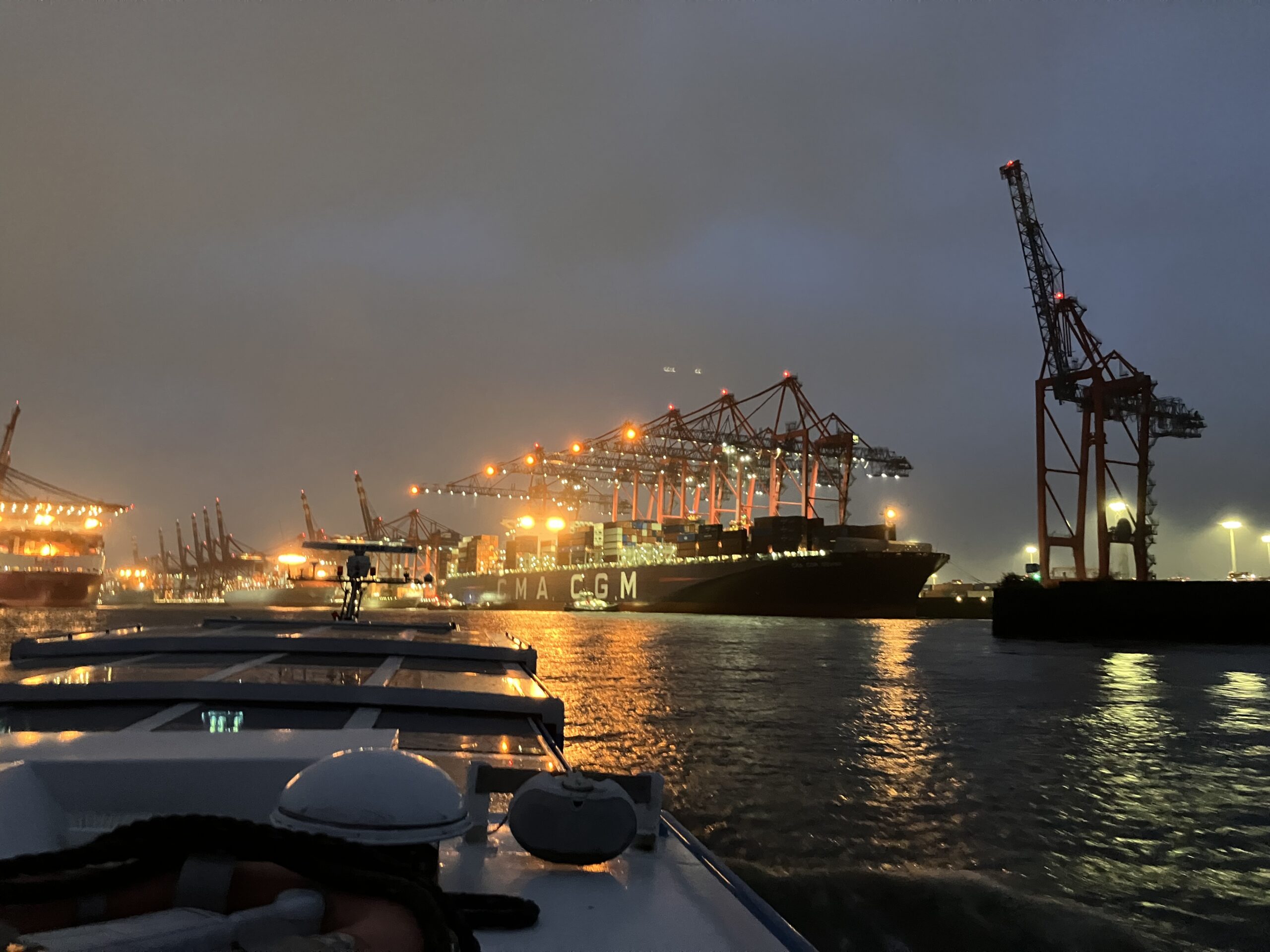
  • A boat tour of the canals and the container terminals of the port of Hamburg

Final Consortium Group Meeting

Three vibrant days came to an end at the Hamburg Port Authority’s headquarter in Hamburg HafenCity, where the group, besides discussing final project deliverables and tasks, reporting and project management issues, got the chance to discover the SeaClear robotic system. This European research project uses autonomous robots to detect, classify and remove marine litter – both in riverbeds and waterways.

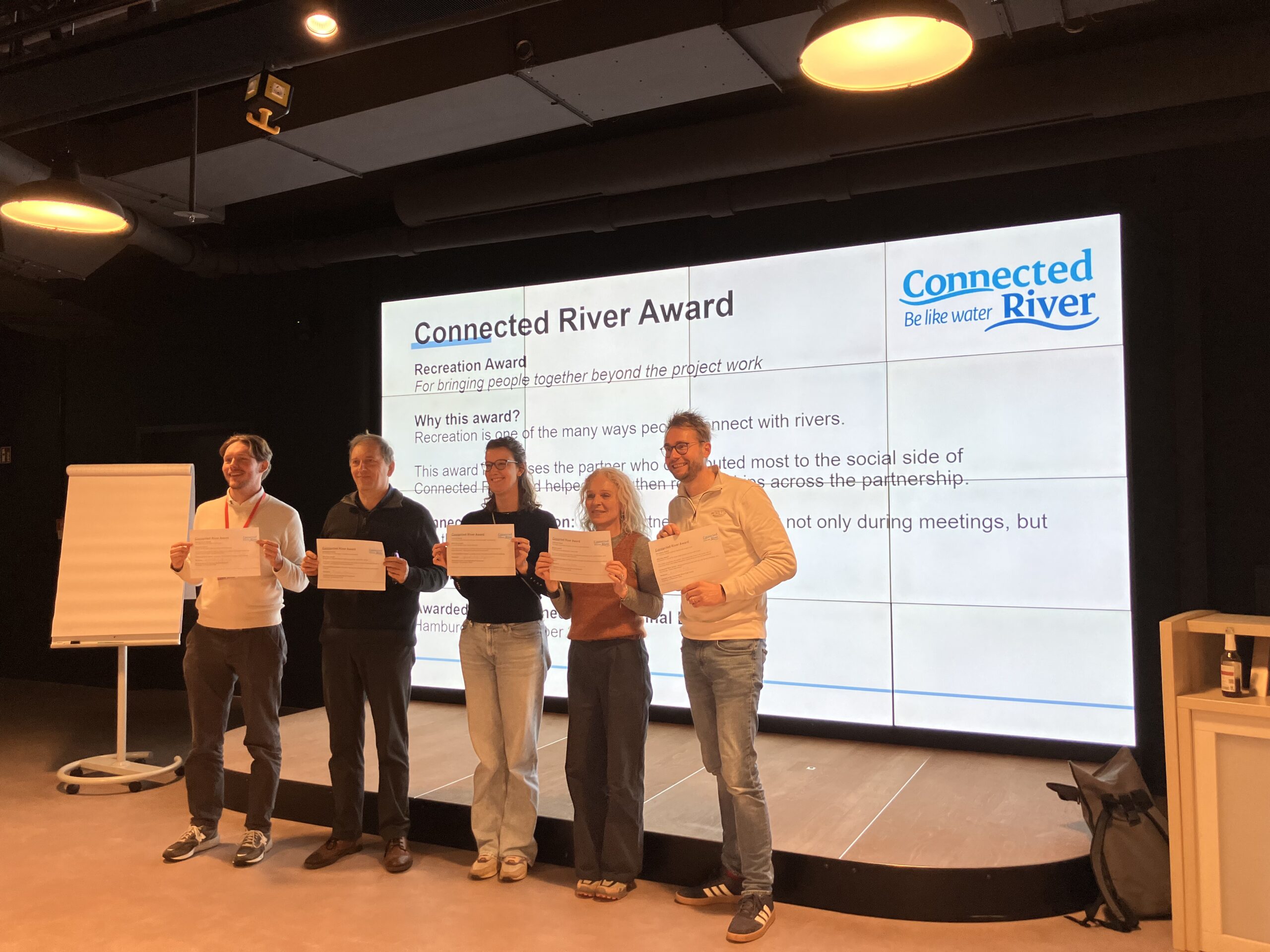
The meeting also included the Connected River Awards Ceremony, celebrating achievements in six different areas:

  • Putting users and their needs at the heart of innovation.
  • Turning ideas into action through experimentation and learning.
  • Bringing stakeholders together around a shared challenge.
  • Adapting course based on evidence, insights and new learnings.
  • Achieving the greatest visible impact.
  • And, last but not least, bringing people together and fostering connections that go beyond the project itself.


A great way to wrap up three days full of exchange, new ideas, collaboration and, of course, some well-deserved celebrations! Congrats to all the project award winners!

Building on the project's legacy

In conclusion, Connected River has provided important impetus for future cooperation between European cities and ports, as well as for the development of innovative solutions for sustainable waterways and waterfront areas. The experience and results gained throughout the project provide a valuable foundation for further developing existing approaches, initiating new partnerships and translating innovation into practical applications.

Find the case studies from the project here: Publication of the study cases from the Connected River project » AIVP