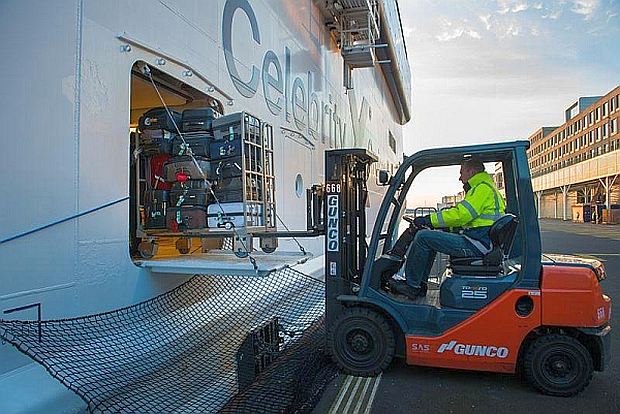
Port and industrial activity is one of the main sources of air pollution in port cities. Coming from ships or transported materials, the port must look for solutions to fix or control the problem. One idea is to combine groundbreaking technologies with cooperation with various stakeholders. Another is to peek into innovative technology from other industries. The Port of Koper does precisely this when bringing circular economy principles, using waste from another industry to reduce air pollution from another industry.
This good practice also includes objectives 9.1 (Allowing independent, transparent measurement of air quality, water quality, sound levels, and light pollution in the Port City territory) and 2.2 (Giving priority to circular economy projects as part of new partnerships between the city, port, businesses and civil society, and by supporting the development of port activities aimed at promoting exchanges and/or recycling of materials and energy) of the AIVP’s 2030 Agenda.